


Mortgage & Financing Tips

Foreclosure and Bankruptcy: Can You Still Qualify for a Mortgage?

Foreclosure and Bankruptcy: Can You Still Qualify for a Mortgage? 764 525 Your Loan Officer for Life

Key Takeaways

  • How bankruptcy and foreclosure actually happen, and why lenders treat them as recoverable events 
  • Waiting periods by loan program: FHA, VA, USDA, and Conventional 
  • The difference between “discharge” and “dismissal,” and why it changes your timeline 
  • How to rebuild your credit profile during the waiting period so you’re ready the moment it ends 


If bankruptcy or foreclosure is part of your financial history, you may have written off homeownership entirely. That assumption is usually wrong. Lenders don’t view a past bankruptcy or foreclosure as a permanent disqualifier — they view it as an event with a waiting period attached, and once that period passes, you’re evaluated the same as any other borrower on your current credit, income, and savings. 

The waiting period is real, and it varies significantly depending on which loan program you’re targeting and how the bankruptcy or foreclosure was resolved. This guide breaks down exactly what those timelines look like and what to do while you wait. 

How Foreclosure and Bankruptcy Actually Happen 

Most foreclosures trace back to an extended period of missed payments, often triggered by job loss or a sudden financial shock rather than mismanagement. When a mortgage payment is missed and not resolved, the lender can eventually take the property through foreclosure and sell it to recover the debt. If the sale price doesn’t cover what’s owed, the remaining balance is called a deficiency — and if there’s no realistic way to pay that deficiency, it often leads to a bankruptcy filing. 

Bankruptcy itself typically comes in one of two forms for individuals: 

  • Chapter 7 — assets are liquidated to discharge (eliminate) debt, including in some cases a mortgage and home 
  • Chapter 13 — debt is reorganized into a court-approved repayment plan rather than eliminated outright 


Not every bankruptcy involves a foreclosure, and not every foreclosure leads to bankruptcy — but when they happen together, lenders have specific, well-documented paths back to loan eligibility once enough time has passed. 

Waiting Periods by Loan Program 

This is the part that actually determines your timeline, and it’s where working with a lender who underwrites across multiple programs matters — a timeline that rules you out on one program may not apply to another. 

FHA Loans 

  • Chapter 7 bankruptcy: typically 2 years from discharge 
  • Chapter 13 bankruptcy: as early as 1 year into a satisfactory repayment plan, with court approval 
  • Foreclosure: typically 3 years from the completion date 


VA Loans 

  • Chapter 7 bankruptcy: typically 2 years from discharge 
  • Chapter 13 bankruptcy: as early as 1 year into a satisfactory repayment plan, with court approval 
  • Foreclosure: typically 2 years — generally the shortest foreclosure seasoning period of any major program 


USDA Loans 

  • Chapter 7 bankruptcy: typically 3 years from discharge 
  • Chapter 13 bankruptcy: as early as 1 year into a satisfactory repayment plan, with court approval 
  • Foreclosure: typically 3 years 


Conventional Loans 

  • Chapter 7 bankruptcy: typically 4 years from discharge 
  • Chapter 13 bankruptcy: 2 years from discharge, or 4 years from dismissal 
  • Foreclosure: typically 7 years, though shorter timelines may apply with documented extenuating circumstances 


These are general agency guidelines, not guarantees — individual lenders can apply additional overlays, and exact timelines depend on the specifics of your filing. Confirm your actual eligibility date with a loan officer rather than relying on these ranges alone. 

Because FHA and VA timelines are meaningfully shorter than Conventional, borrowers with a bankruptcy or foreclosure in their history often qualify years sooner than they expect by targeting the right program. Browse Milend’s full range of purchase loan options or talk to a loan consultant to find out exactly where you stand today. 

Discharge vs. Dismissal, and Foreclosure Completion vs. Disbursement 

Two distinctions change your waiting period more than anything else in this article: 

Discharge vs. dismissal: A bankruptcy is discharged when the court formally eliminates your qualifying debts — this is the outcome most Chapter 7 filers reach. A case is dismissed when it’s closed without a discharge, often due to missed plan payments, and dismissal generally resets your waiting period to a later starting point than discharge would. 

Completion date vs. disbursement date: The completion date is when the lender legally forecloses on the property. The disbursement date is when that property is actually sold to a new owner. Depending on the loan program, one of these dates — not the other — is what starts your waiting-period clock, so it’s worth confirming which applies to your specific loan program with your loan officer rather than assuming. 

Rebuilding Credit During Your Waiting Period 

The waiting period isn’t dead time — it’s the window where your future approval actually gets built. A few moves make the difference between qualifying the day your waiting period ends versus needing another year to clean things up: 

  • Pull your credit report and confirm accuracy. Errors on a post-bankruptcy or post-foreclosure report are common and can cost you months of eligibility if left uncorrected. 
  • Keep every payment current, starting now. Lenders weight recent payment history heavily — a clean 12–24 months right before you apply matters more than the years before your bankruptcy or foreclosure. 
  • Keep credit card balances low relative to your limits. Utilization under 30% is a meaningful, controllable lever. 
  • Avoid opening new credit accounts in the months before you apply, and don’t close old ones either — length of credit history matters, and closing accounts can shorten it. 
  • Build a documented savings history. Lenders coming out of a bankruptcy or foreclosure review want to see evidence of financial stability, not just a qualifying credit score. 


If high-interest debt is part of what’s slowing your recovery, it’s worth understanding how a cash-out refinance or debt consolidation approach can restructure what you owe into a single, lower payment further down the road — though this typically becomes an option later in your rebuilding timeline, once you’re mortgage-eligible again. Our credit score resources go deeper on how your score actually recovers over time. 

The Bottom Line 

A past bankruptcy or foreclosure is a waiting period, not a life sentence on homeownership. FHA and VA loans generally offer the shortest paths back to eligibility, and the two to three years most borrowers assume they need to “start over” completely often overlap with a program-specific timeline that’s already shorter than they think. 

Milend has been guiding borrowers through exactly this kind of comeback since 1995. As a family-owned, Atlanta-based lender, we underwrite across FHA, VA, USDA, and Conventional programs — which means when you’re ready, we’re finding the loan built for where you actually are, not making you fit someone else’s timeline. 

What I get commonly asked?

Can I get a mortgage after filing for bankruptcy?

Yes. Most loan programs require a waiting period after your bankruptcy is discharged — typically 2 years for FHA and VA, 3 years for USDA, and 4 years for Conventional loans — but bankruptcy does not permanently disqualify you. 

How long after a foreclosure can I buy a home again?

It depends on the loan program. VA loans generally allow the shortest wait at around 2 years, FHA and USDA typically require around 3 years, and Conventional loans typically require around 7 years, though shorter timelines may apply with documented extenuating circumstances. 

Does Chapter 13 bankruptcy have a shorter waiting period than Chapter 7?

Often yes. Several programs allow eligibility as early as 1 year into a Chapter 13 repayment plan with court approval, compared to a full discharge requirement for Chapter 7 — though Conventional loans treat Chapter 13 dismissal differently than discharge. 

What’s the difference between bankruptcy discharge and dismissal for mortgage eligibility?

A discharge means the court eliminated your qualifying debts, which is the outcome most waiting-period clocks are based on. A dismissal closes the case without eliminating debt, and generally pushes your eligibility date later than a discharge would. 
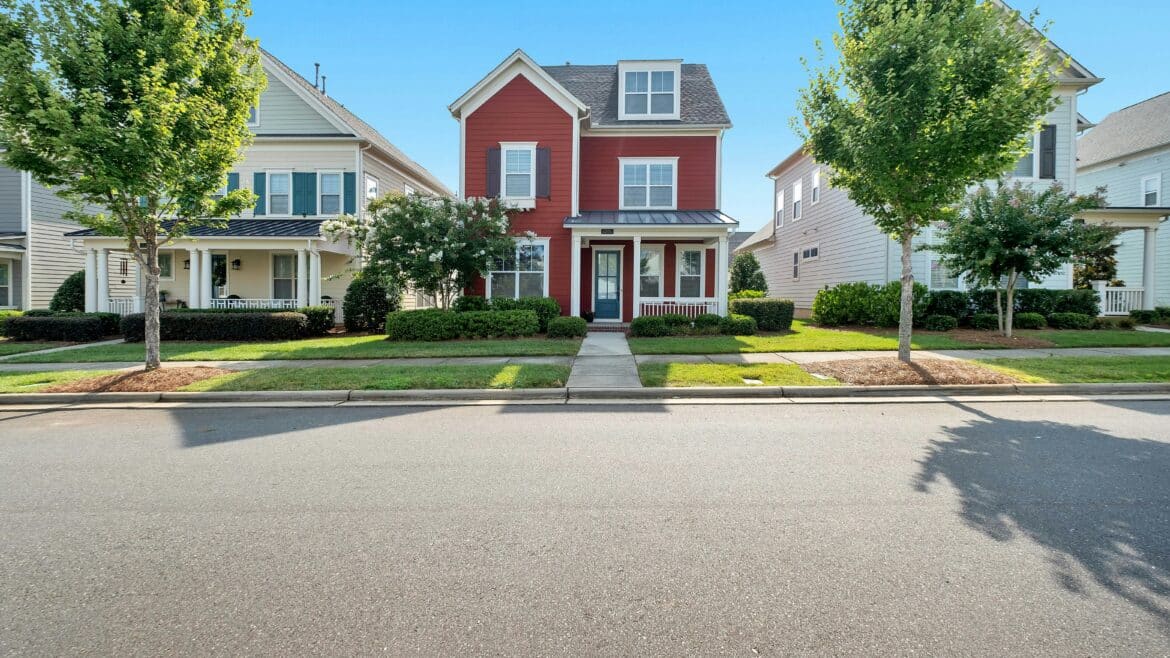
6 Ways to Buy a Home With Little-to-No Money Out of Pocket

6 Ways to Buy a Home With Little-to-No Money Out of Pocket 6240 4160 Your Loan Officer for Life

Key Takeaways

  • Which loan programs allow $0 down, and who qualifies 
  • How down payment gifts and assistance programs actually work 
  • When it makes sense to ask a seller to cover closing costs 
  • The tradeoffs of a low down payment you should know before you commit 


Not having a large down payment saved up is one of the most common reasons people assume homeownership is out of reach. It usually isn’t. Between zero-down loan programs, down payment gifts, assistance funds, and seller-paid closing costs, there are several legitimate paths to closing on a home without draining your savings account first. 

Here are six ways to reduce what you need out of pocket, plus what to weigh before choosing one. 

See If You Qualify for a VA Loan 

Active-duty service members, veterans, and eligible surviving spouses can access one of the strongest homebuying benefits available: a VA loan with no minimum down payment requirement. Because the loan is backed by the Department of Veterans Affairs, lenders can extend financing without requiring a down payment or ongoing private mortgage insurance — instead, most VA loans include a one-time VA Funding Fee, and some borrowers are exempt from that as well. 

For eligible buyers, this is typically the lowest out-of-pocket path to homeownership available. 

Consider an FHA Loan 

FHA loans allow a down payment as low as 3.5%, and that 3.5% doesn’t have to come entirely from your own savings — it can be covered by a financial gift from a family member or contribution from a qualified nonprofit or government program. Sellers can also contribute up to 6% of the sale price toward closing costs. 

The tradeoff: FHA loans require mortgage insurance regardless of your down payment size, so it’s worth weighing that ongoing cost against the lower barrier to entry.

 Look Into a Homebuyer Assistance Program 

Down payment assistance (DPA) programs exist at the state, local, and nonprofit level, and many extend beyond first-time buyers to previous homeowners as well. These typically come as grants, forgivable loans, or deferred second loans — funding structures where you’re not simply taking on more debt to cover your down payment. Availability and eligibility vary significantly by location, so this is worth a direct conversation with your loan officer rather than assuming you don’t qualify. If this is your first purchase, our first-time buyer resources are a good starting point, and it’s also worth reading whether a 20% down payment is actually necessary before ruling anything out. 

Don’t Overlook the USDA Loan 

USDA loans — sometimes called rural development loans — offer a zero down payment option for eligible properties in designated rural and, in many cases, surprisingly suburban areas. Don’t assume your target area doesn’t qualify without checking; USDA eligibility maps cover more ground than most buyers expect. Mortgage insurance is required, and both loan limits and income restrictions vary by area, so property and income eligibility should be confirmed early in your search rather than after you’ve found a home.

Receive a Down Payment Gift

If a family member is able to gift you funds toward your down payment, most loan programs allow it — but the paperwork matters. Lenders require a documented paper trail showing who gifted the funds, how and when the money was transferred, and written confirmation that repayment isn’t expected. The amount you’re allowed to accept as a gift varies by loan program, so confirm the specifics with your loan officer before the funds move. For more on how gift funds interact with your overall closing costs, see Can You Reduce Your Closing Costs, and Should You? 

Have the Seller Pay Closing Costs 

Seller-paid closing costs, also called seller concessions, depend heavily on your local market conditions. In a buyer’s market, where inventory exceeds demand, sellers are often willing to negotiate on closing cost contributions to keep a deal moving. In a competitive seller’s market, that same request may not land — but it’s still worth asking, since many sellers value a fast, certain close over squeezing out every dollar. How much a seller can contribute is also capped by your loan program, so this is another detail your loan officer can confirm before you write an offer. 

What to Weigh Before Choosing a Low Down Payment Option 

Reducing your out-of-pocket cost at closing is genuinely useful, but it comes with tradeoffs worth understanding upfront: 

  • Mortgage insurance may be required depending on the loan program and down payment size, which adds to your monthly payment. 
  • Less equity at the start means less “cushion” if you need to sell within the first few years, and potentially a somewhat higher interest rate since the lender is taking on more risk. 
  • Slower equity build means it may take longer to reach the point where selling nets a meaningful profit — a bigger consideration if you expect to move again soon than if you’re planning to stay long-term. 

If putting a full 20% down would leave you without a financial cushion for emergencies, a lower down payment option is often the smarter move — not a compromise. The right call depends on your full financial picture, which is exactly what a conversation with a loan officer is for. 

The Bottom Line 

A thin savings account doesn’t have to mean a delayed home purchase. Between VA and USDA’s zero-down options, FHA’s gift-fund flexibility, down payment assistance programs, and seller concessions, most buyers have more than one realistic path to closing — the right one just depends on your eligibility, your market, and your long-term plans. 

Milend has been helping buyers navigate exactly this decision since 1995. As a family-owned, Atlanta-based lender, we underwrite across FHA, VA, USDA, and Conventional programs, so we’re matching you to the loan built for your actual financial picture — not the one that’s easiest for us to originate. 

Questions I get asked?

Can I really buy a home with no money down?

Yes, in certain situations. VA loans and USDA loans are two programs that may allow qualifying borrowers to purchase with no down payment. VA loans are available to eligible active-duty service members, veterans, and qualifying family members. USDA loans are available in designated rural and many suburban areas and carry income eligibility requirements. Whether either program fits your situation is worth a direct conversation with a Milend loan officer. 

What is the minimum down payment for a first-time homebuyer?

It depends on the loan program. FHA loans typically require as little as 3.5% down. Conventional loans may be available with as little as 3% down for qualifying borrowers. VA and USDA loans may allow zero down for those who meet eligibility requirements, and down payment assistance programs at the state or local level may reduce what you need to bring to closing further still. 

How does a VA loan work with no down payment?

The VA loan program is backed by the Department of Veterans Affairs and is one of the most valuable homebuying benefits available to eligible servicemembers, veterans, and qualifying surviving spouses. Because the VA guarantees a portion of the loan, lenders can extend financing without requiring a down payment. Instead of ongoing mortgage insurance, most VA loans include a one-time VA Funding Fee, though some borrowers are exempt.

Can a family member gift me money for a down payment?

In most cases, yes. Loan programs generally allow gift funds from immediate family members toward a down payment, but documentation requirements vary by loan type — typically including a signed gift letter confirming the amount, the source, and that repayment isn’t expected. Your Milend loan officer can walk you through the exact requirements for your loan program. 

What is a homebuyer assistance program and do I qualify?

Homebuyer assistance programs are offered through state housing finance agencies, local governments, and nonprofit organizations to help with down payments and closing costs. Eligibility and available funding vary significantly by location, and while many programs target first-time buyers within certain income limits, some are open to previous homeowners as well. 

Woman with hair pulled back reading over a receipt with concern.

How Homeowners should prepare for Stagflation in 2025

How Homeowners should prepare for Stagflation in 2025 6720 4480 Your Loan Officer for Life

Key Takeaways

  • Stagflation May Push Mortgage Rates Higher
    Despite Fed efforts, inflation and economic stagnation could keep mortgage rates elevated in 2025—making it a smart time to explore rate locks or refinancing options before further increases.

  • Homeowners Can Use Equity to Reduce Monthly Debt
    With home values still rising, tapping into your home equity through a cash-out refinance may be a powerful way to consolidate high-interest debt and ease monthly financial stress.

  • Buyers Have More Options
    Housing inventory is improving, and home price growth is slowing. This creates a short-term opening for buyers to find more options before rising construction costs and economic pressure tighten the market again.

There’s a growing concern across the United States this year about stagflation – a combination of high inflation, stagnant economic growth, and rising unemployment. The possibility of a stagflationary environment in the U.S. economy has some economists raising alarms about potential effects on everyday Americans, already in the midst of a cost-of-living and homeownership crisis. Let’s discuss the impacts that homeowners and potential home buyers could see in 2025.

This raises an important question: Why haven’t these cuts made mortgages more affordable, and what can we expect to happen with mortgage rates in 2025?

Debt and a Homeowner Cost-of-Living Crisis

Americans are experiencing increased financial pressures across the board – from higher costs at the gas pump and grocery store, to school activities, and mortgage payments. Rising property taxes and insurance premiums have led to higher monthly mortgage payments, even on fixed-rate loans, if they are paid out of an escrow account. And a startling survey showed 65% of homeowners have less than $5,000 in savings, and that 51% would struggle to cover an unexpected $500 expense.

High home values means there is some good news for homeowners who are facing mounting credit card debt and shrinking savings accounts… cashing in on equity is a much lower-interest way to pay off debt and reduce monthly bills to get some relief for over-stretched budgets.

Current Housing Market Trends

Despite today’s mortgage rates, home prices are projected to rise by 3.5% annually through 2027. This is great news for existing homeowners who will see home equity gains. This may sound disheartening to potential home buyers, who are caught between high rates and high home prices, but these projected home prices mark the slowest growth in the market since 2011.

The housing supply has improved over the last six months as more existing homes hit the market and new construction homes are underway. The next few months represent a key opportunity for home buyers to take advantage of the increase in listings before tariffs trickle down into construction costs, increasing the prices on new homes.

Impact on Mortgage Rates

Perhaps the most critical economic impact that existing homeowners are monitoring closely is mortgage rates. The Federal Reserve has kept its target range for the benchmark Funds rate between 4.25% and 4.5% since 2024, in an effort to tame rampant inflationary pressures. If we continue to see further inflation and cost-of-living increases this year, mortgage rates would be expected to remain around 7% or even higher due to economic policy.

Strategies for Navigating Stagflation

  1. For Homebuyers: Consider locking in mortgage rates now to avoid potential future increases. Ask your loan officer about loan programs that can help you get into a home based on your down payment, income, and credit situation. If rates come down, prices will go up even further. Better to lock in today’s prices and know you can always refinance into a lower rate.
  2. For Homeowners: Make sure that you’ve applied for any Homestead tax exemptions available to you in your state to reduce your property tax burden. Shop your homeowner’s insurance every year to limit monthly mortgage payment increases due to escrow changes. If you have other high-interest debts, consider cash out options to cut those high monthly bills.

Wrapping Up

Stagflation would add further stress to both homeowners who are already dealing with cost-of-living increases and stagnant wage growth. Homeowners still have the flexibility to leverage their equity to cover much-needed home renovations or repairs, as well as combat increasing levels of high-interest credit card debt to free up their finances.

Some additional good news for home buyers this summer – the steep growth in home values over the past several years has stalled, as record numbers of sellers put their homes on the market. Forecasts suggest that this influx of new housing inventory will drive down home prices, which creates a less competitive market and more options for home buyers to find their dream home going into the summer.

Blond woman sitting in an arm chair by big open windows in a white room holding a mug up to her face.
Heating Up Your Home: Lower Your Winter Power Bill
Read more...
Homeowner’s Fall Maintenance Checklist: Prepare Your Home for the Colder Months Ahead
Read more...