

LED Lighting

Warm lamp-lit shelving unit with plants and books in a living room after dark

The Fall Lighting Fix: What to Change, Room by Room

The Fall Lighting Fix: What to Change, Room by Room 1200 630 Creative Studio

Key takeaways

  • Atlanta loses about two and a half hours of daylight between mid-September and the shortest day in December, and the clock change on November 1st moves sunset an hour earlier overnight.
  • A room that feels wrong in winter usually has a lighting problem rather than a paint or furniture problem.
  • Designers treat the ceiling as one layer of three, not as the whole plan. Most rooms want light at three different heights.
  • The useful numbers on a bulb box are lumens for brightness and the Kelvin rating for warmth. Watts tell you almost nothing now.
  • Dimmers and LEDs have to be matched deliberately. The bulb has to be marked dimmable and the dimmer has to be rated for LED.

Every year around the first week of November, I start hearing the same thing from clients. The house feels dark. The living room feels smaller than it did in August. Somebody is thinking about repainting, or replacing a sofa, or wondering whether the windows are the problem. Almost nobody says the word lighting, and lighting is almost always the answer.

It is the least glamorous fix in a house and one of the cheapest, which is probably why it gets skipped in favor of things that cost ten times as much and work less well. So before you spend money on the wrong thing this fall, here is what is actually happening and what to do about it.

The light in your house is about to change, and quickly

We talk about winter as though it arrives in December, but the daylight starts leaving in September and it goes faster than most people expect. In Atlanta, the middle of September gives you a little over twelve hours between sunrise and sunset. By the shortest day of the year that is down to under ten. The sunset itself moves even more sharply than the total, sliding from around a quarter to eight in the evening to just after half past five.

Bar chart showing daylight hours in Atlanta falling from 12 hours 22 minutes on September 15 to 9 hours 54 minutes on December 21

The single biggest jolt comes on November 1st, when the clocks change. On October 31st the sun sets at about a quarter to seven. The next evening it sets at a quarter to six. That is an hour of your evening gone overnight, and it is the week people start describing their house as dark, cramped or depressing without quite knowing why.

Nothing about the house changed. The light did. And the light is the part you can actually do something about.

The mistake designers see most often

Sophie Paterson, a London-based interior designer who has spent sixteen years on residential projects, writes that the most common lighting mistake she sees is people creating a symmetrical grid of spotlights across the ceiling. It looks balanced on a floor plan, she points out, but in real life we rarely look up at the ceiling. What matters is how light behaves at eye level, how it washes a wall, and whether it draws your attention to anything.

Most rooms in most houses were built with a single fixture in the middle of the ceiling, and that one fixture is asked to handle every situation the room ever faces. It has to fill the space, light whatever you are doing with your hands, and make the room somewhere you want to sit. Those are three different jobs, and one bulb overhead does the first adequately and the other two badly.

Designers describe the fix as lighting in layers, and the vocabulary is more useful than it sounds. Ambient light is the general fill, usually your ceiling fixture. Task light is aimed at what you are actually doing, so a lamp beside the reading chair, something under the kitchen cabinets, a proper light over a desk. Accent light has no job except to make the room feel good, like a small lamp on a shelf or a light behind a plant.

Paterson also makes a point that reframes the whole thing: good lighting is not about making a room bright enough, it is about creating focus and contrast. Your eye goes to the brightest thing in the room. If you want a space to feel longer, light the far end of it. If you want a corner to feel like somewhere to sit, light it low.

The reason a hotel room or a friend’s living room feels better than yours often comes down to nothing more than this. They have three or four light sources at different heights. You have one, twelve feet up, pointing down.

If you do only one thing this fall, add a second light source at eye level or below in the room where you spend your evenings. It is a bigger change than paint, and it takes twenty minutes.

What the numbers on the box actually mean

Bulb packaging got confusing when incandescent bulbs went away, and plenty of people are still buying by watts out of habit. Watts measure how much electricity a bulb draws, which mattered when every bulb was equally inefficient. Now it tells you almost nothing about how bright the thing will be.

The number you want is lumens, which measures actual brightness. The Department of Energy’s guidance is that if you’re replacing what used to be a 75-watt bulb, you’re looking for roughly 1,100 lumens, and you can get that from an LED drawing as little as nine watts. Every bulb sold in the United States has carried a Lighting Facts label since 2011, modeled on the nutrition labels on food, and brightness in lumens sits right at the top of it.

The second number is the Kelvin rating, and this is the one that decides whether a room feels warm or clinical. A lower Kelvin number gives the soft yellow light people associate with an old incandescent bulb. A higher number gives a whiter, bluer light that reads as daylight. Paterson’s studio uses 2700K as its default for most rooms, describing it as warm without being overly yellow, and advises keeping the temperature consistent within a single space because mixing tones in one room feels jarring.

That last point explains something that frustrates a lot of people. If your living room has a warm bulb in the lamp and a cool one in the ceiling, the room will never quite settle, and no amount of repainting will fix it. It also explains why paint colors look so different after dark. You didn’t choose the wrong color, you’re looking at it under a different light than the one you chose it in.

Lighting is about 15% of an average home’s electricity use, according to the Department of Energy, and LEDs use up to 90% less energy and last up to 25 times longer than the incandescent bulbs they replaced. Adding lamps to a room doesn’t carry the running cost it would have twenty years ago.

Before you buy a dimmer, check the bulb

This is the part that catches people out, and it is the one thing here I would check before spending anything. Dimmers and LED bulbs have to be matched on purpose, and two things have to line up. The bulb has to be marked dimmable on the box, because a lot of LEDs are not and were never designed to be. And the dimmer itself has to be rated for LED. Lutron, which makes most of the dimmers in American houses, is explicit about this: a dimmer rated only for incandescent or halogen can control only incandescent or halogen bulbs, while a dimmer rated for LED can handle those as well. That older dimmer in your hallway was very likely built for incandescent bulbs and predates LEDs entirely.

Even within the dimmable category, manufacturers only stand behind combinations they have tested. Lutron publishes a compatibility tool listing the specific bulbs it has tested against each of its dimmers, and tells customers that if a bulb is not on that list, they should ask the bulb manufacturer for a recommendation. Mismatched pairs tend to announce themselves through flicker, buzzing, a narrow dimming range that drops straight to off, or bulbs that fail well before the life printed on the box.

None of that is a reason to avoid dimmers. A room that can be bright at six and soft at nine is effectively two rooms, and dimmers are the upgrade people most often say they should have done sooner. Just buy the bulb and the dimmer as a pair rather than assuming the bulbs you already own will work.

Where the money actually goes

Lighting covers an unusually wide range of cost, and the cheap end does more than people assume. Swapping bulbs is the smallest possible spend and it’s where I’d start, because changing the Kelvin rating of the bulbs you already own costs the price of a multipack and changes how every room reads at night. Plug-in lamps are the next step up, and a floor lamp or two in the corners of a room is the most reliable fix for the one-fixture problem. Paterson makes the point that you don’t need a renovation to change a room’s lighting at all: freestanding uplighters behind a sofa or on either side of a fireplace do a great deal of work for very little money.

Dimmers sit in the middle, with the compatibility caveat above. Above that you’re into hardwired work: a new ceiling fixture, wall lights, or under-cabinet lighting in the kitchen. That’s where an electrician gets involved and where the numbers start climbing. If you’re going that far, get everything quoted together rather than one job at a time.

If you’re thinking about listing in the spring

Here is where this stops being decorating and starts mattering to your bottom line. Most people who plan to sell in spring start getting the house ready in February or March, which is exactly the wrong order. The work you do now is the work you get to live with and adjust before anyone photographs it. Lighting is the clearest example, because it changes how a house reads in photographs and it changes how it feels in an evening showing, and those are two different problems.

Listing photos are usually shot in good daylight, and mismatched bulb temperatures are much more obvious in a photograph than they are to your eye standing in the room. One warm lamp and one cool ceiling fixture in the same shot gives you an orange corner and a blue corner, and buyers read that as a house that has been neglected rather than a house with two different bulbs in it. Making the temperature consistent room by room costs almost nothing and is one of the few things you can fix in an afternoon.

Evening showings are the other half. From November through February, most weekday showings happen after dark, and a house with one ceiling fixture per room shows badly at six in the evening in a way it never does at noon. Hallways, stairs and entryways matter most here, because they are the first thing a buyer walks through and they are almost always the worst lit part of a house.

I want to be careful not to overpromise. Nobody can tell you that a set of lamps will raise your sale price, and any improvement that comes with a guaranteed return is being sold to you by someone who does not know that. What I can say is that it is cheap, it is quick, and it addresses the thing buyers actually notice on a winter evening.

If selling next year is on your mind at all, that is the conversation I would rather have now than in March. Most people who sell are buying something next, and the two decisions are connected in ways that are much easier to work through early. Give me a call and we can talk about what your timing actually looks like. There is nothing to sign and nothing to commit to.

Your room-by-room walkthrough

Go through the house one evening after dark, with the lights on the way you normally have them. Not during the day, and not with everything switched on. The point is to see the rooms the way you actually live in them, and the way a buyer would see them at a six o’clock showing in January.

  • ☐  Living room: count your light sources. If the answer is one, add a floor lamp in the darkest corner.
  • ☐  Every room: check the Kelvin number on your bulbs and make it consistent within each space.
  • ☐  Kitchen: stand at the counter where you chop. If your body throws a shadow onto the work surface, you need light under the cabinets.
  • ☐  Bedroom: make sure each side of the bed has its own light that can be switched off without getting up.
  • ☐  Hallways, stairs and entryway: almost always the worst lit space in a house, and the first thing a visitor walks through.
  • ☐  Home office or desk: add a dedicated task light rather than relying on the ceiling and the screen.
  • ☐  Any room you avoid in the evening: ask whether you avoid it because it’s cold, cluttered, or just badly lit.
  • ☐  Dimmers: confirm the bulbs are marked dimmable and the dimmer is rated for LED before you buy either.
  • ☐  Front entry and porch: dark by five in December, and the first thing guests and buyers see.
  • ☐  Make a list of anything needing an electrician and get it all quoted together.

Work down that list and most people find three or four fixes, none of them expensive, that change how the house feels for the four months it matters most. Start with the room where you spend your evenings, and start before the clocks change rather than after.

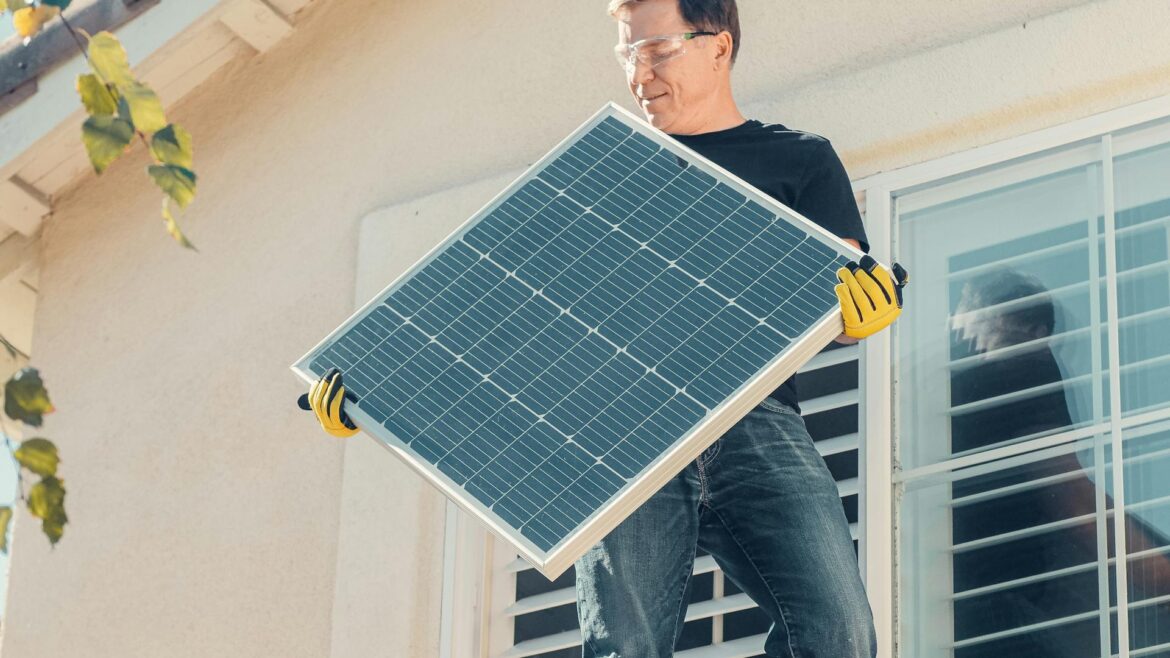
Photo of a man on a tile roof holding a solar panel to install solar energy on his home.

Eco-Friendly Homes: Healthier, Happier Home Finances

Eco-Friendly Homes: Healthier, Happier Home Finances 1920 1271 Your Loan Officer for Life

Key Takeaways

  • Significant Savings and Sustainability: Eco-friendly home upgrades like LED lighting, high-efficiency appliances, and solar panels not only reduce your carbon footprint but also offer substantial savings on utility bills. These green choices can lead to long-term financial benefits, including lower energy costs and potential tax incentives.
  • Improved Home Comfort and Health: Upgrading to energy-efficient windows, adding insulation, and using sustainable materials can significantly enhance your home’s comfort. These improvements lead to better temperature control, reduced noise levels, and improved air quality, creating a healthier living environment for you and your family.
  • Increased Property Value: Investing in eco-friendly home upgrades can raise your property’s value and appeal to future buyers. Features like solar panels and energy-efficient appliances make your home stand out in the market, potentially leading to a higher appraisal value and a quicker sale.

In today’s world, sustainability has infused every aspect of our lives, from recycling, to buying local, to eating farm-to-table. Our homes are no exception to the great push into going green, with many home buyers looking for eco-friendly homes that are cozy, comfortable havens with a smaller utilities footprint.

On top of adding appealing features to your home for potential buyers, you might want to look to eco-friendly upgrades for the tangible benefits of saving money, enhancing comfort, and increasing property value.

Why Eco-Friendly Homes Are a Big Deal

Your home is more than just a place to crash, it’s a reflection of your personality and values. Eco-friendly home upgrades are designed to reduce your household’s carbon footprint by utilizing less water, energy, and natural resources. These upgrades can significantly reduce your monthly utility bills, improve indoor air quality, and even raise your property value.

These upgrades not only cut down on your utility bills (though that’s a pretty sweet perk!); they also improve air quality, creating a healthier, more comfortable space for your loved ones. Energy-saving windows, for example, can raise your property value and give your home that special glow that says, “Hey, future buyers, I’m a gem!”

Since energy costs are continually rising, and homebuyers are increasingly environmentally conscious, the appeal of a sustainable home has never been higher.

Picture of a clear LED bulb against a blurred background.

The Best Spots to Go Green

Let There Be (LED) Light: Swapping out those old bulbs for LED ones? A total game-changer for saving energy. Upgrading to LED lighting, energy-efficient appliances, and smart thermostats can drastically save on energy consumption. High-efficiency heating and cooling systems also save energy while making your home more comfortable. One thing about LED bulbs I learned the hard way is that you’ll also want to change your wall switch if you want them to last for the maximum lifespan.

Water-Saving Wonders: Those low-flow faucets, showerheads and toilets? They reduce water usage without significantly compromising performance.

Cozy Up with Insulation: Upgrading your insulation and investing in energy efficient windows help keep your home comfy season after season. Look for products with high R-values and ENERGY STAR ratings to keep your home comfortable year-round, reduce energy consumption, and lower heating and cooling costs.

Solar Panels: Sunshine Superheroes: Imagine tapping into the Sun’s power to light up your home. Solar panels do just that AND seriously cut down your electricity bills. Solar panels are a big investment, but they can pay for themselves and then some over the long-term by reducing your electric bill. In some cases, you’ll even come across government incentives or tax breaks to make this an even sweeter deal. Keep in mind that solar panels have a drop-off in power production over time (often after 10 years). So, give this one plenty of thought and research before deciding if solar power is right for your home.

Stylish and Sustainable Materials: From bamboo floors to recycled glass countertops, choosing sustainable materials means your home is not just green—it’s stylish too. If you’re having a custom home built, or renovating an existing home, keep an open mind to sustainable materials like bamboo flooring, recycled glass countertops, recycled brick, reclaimed wood, and non-VOC paints. These materials are environmentally friendly, can make your home healthier, and add unique beauty and character by incorporating more natural materials. It can even be friendlier for your budget if you try sourcing recycled and reclaimed materials through Facebook Marketplace or Nextdoor.

Photo of a woman in a blue t-shirt taking cash out of a wallet.

The Wallet-Friendly Perks of Going Green

I know I talked about how each of these eco-friendly upgrades saves you money, but I want to talk about the big financial picture. Investing in green upgrades can be an investment up front, so the out of pocket can seem like a big hurdle to get to the benefit of long-term savings.

But think about the freedom of having fewer monthly bills and more going back into savings each month for years! Upgrades like these truly are the gift that keeps on giving – giving peace of mind, savings, and growing home equity. Lower utility bills, less maintenance, and even some sweet tax incentives make these upgrades a smart move for your budget and your financial wellbeing for years to come. Consider that energy and repair costs will keep rising in the future, so your monthly savings will get better with age too!
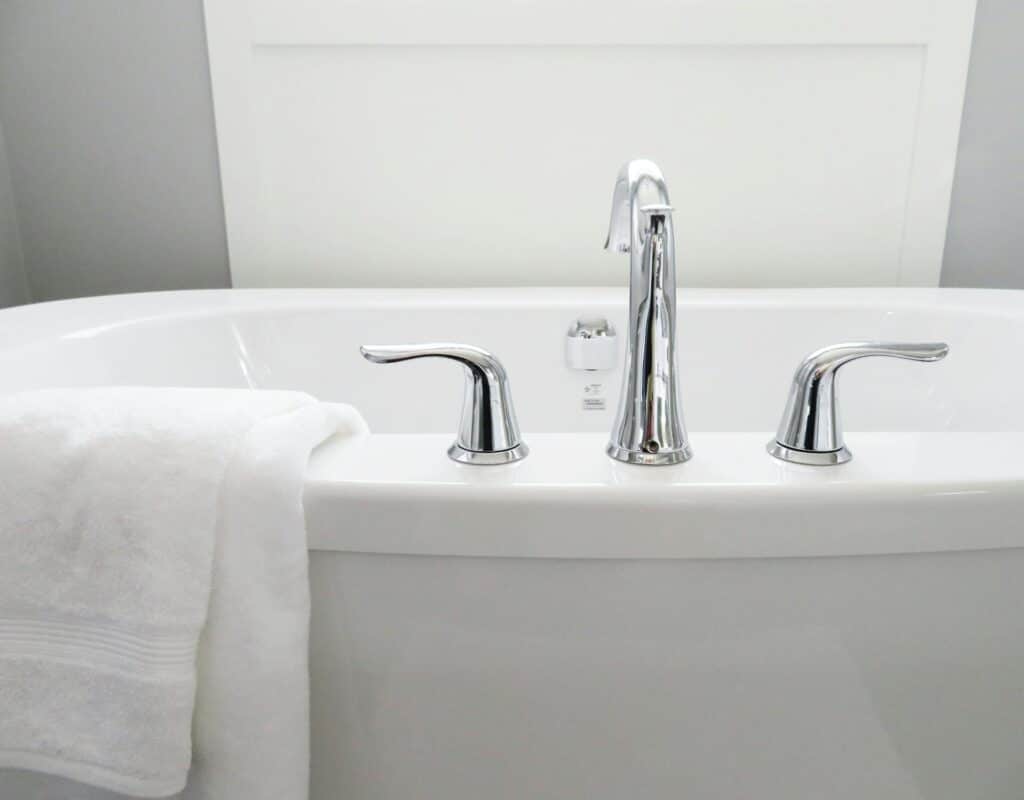
Photo of a bathtub with a white towel draped over the edge featuring a low flow faucet.

A Home That Hugs You Back

Beyond the savings, there’s something magical about living in an eco-friendly home. It’s like it breathes along with you, offering cleaner air, a quieter, more serene environment, and that just-right feeling all year round. And when the time comes to sell, these green upgrades can translate into a higher appraisal, more home equity, and make your home stand out to potential buyers.

Kickstarting Your Green Savings

Feeling inspired? Starting your eco-friendly journey doesn’t have to be an all-or-nothing leap. Begin with a few small changes and watch how they start to add up. Every step toward sustainability brings you closer to a home that is more comfortable, cost-effective, and appealing to future buyers.
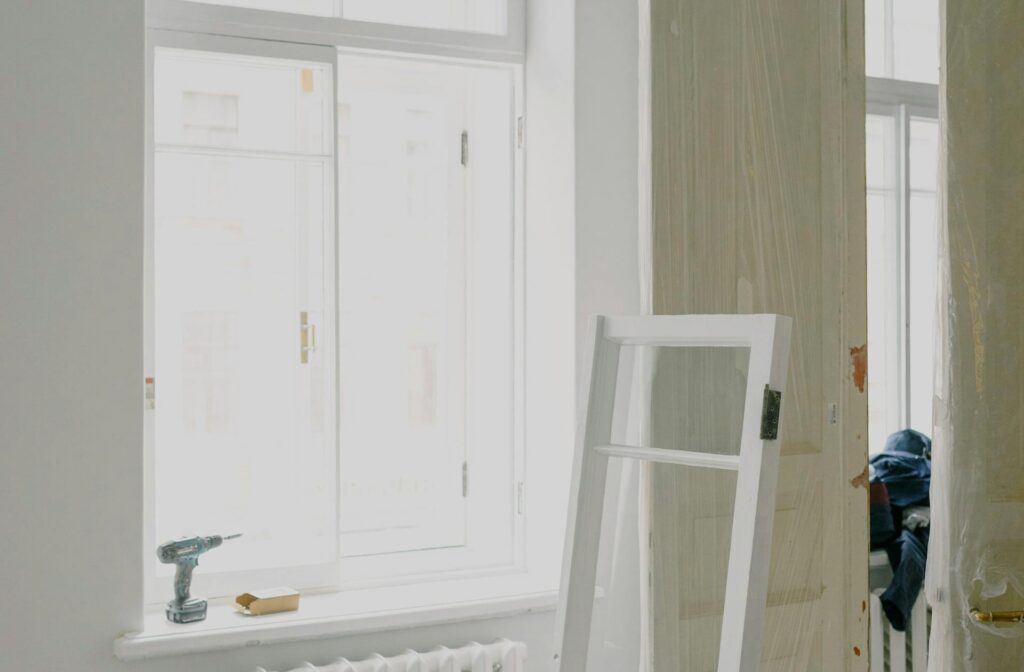
Photo of a home interior with energy efficient windows recently installed.

Real Stories, Real Impact

At Milend, we’ve seen the incredible difference eco-friendly upgrades can make. Take the Nguyens, whose new, efficient windows, caulk and insulation, and LED lighting made their home the coziest and brightest spot on the block. The Department of Energy says the average homeowner to make these two upgrades will save $690 in energy costs each year! Imagine what’s possible for your home and budget if you save 40% on your energy bills.

Let’s Do This, Together!

Sustainability is already a part of our daily lives. It’s about making thoughtful choices that benefit our wallets, our health, and our future.

If you’re inspired to make your home more sustainable and want to learn more about eco-friendly upgrades, sign up for our newsletter. You’ll receive the latest tips, success stories, and insights to help you navigate your eco-friendly and budget-friendly home improvement journey.

Together, we can make our homes work better for the way we live, our wallets, our health, and build a future of financial freedom for ourselves and our loved ones. Let us know in the comments or use the contact page to tell us how we can support your home financing journey.

Let’s Grow Together

As we navigate the spring market and beyond, let’s remember the values that bind us: trust, commitment, personal growth, and the importance of home. If you’re pondering your next move or seeking guidance in the ever-changing real estate landscape, reach out. Together, we can explore your options, prepare for the future, and turn the dream of homeownership into reality.

Stay tuned for more insights, and don’t hesitate to join our community for updates, tips, and stories that celebrate our journeys home, one step at a time.

Spring Market Preview: What to Expect in Real Estate
Read more...

Understanding Closing Costs: A Homebuyer’s Guide
Read more...