

Personal Finance

Photo of modern architectural style condos, perfect for investors or Airbnb owners looking to add a new rental, with palm trees against a clear blue sky with clouds.

Loan-to-Value Ratio for Investment Properties

Loan-to-Value Ratio for Investment Properties 5264 3393 Your Loan Officer for Life

Key Takeaways

  • The LTV formula and how to calculate it for any property 
  • Maximum LTV by loan program and property type 
  • What combined loan-to-value (CLTV) means once a second loan is involved 
  • How LTV and DSCR work together for investment property qualification 
  • Practical ways to improve your LTV position before you apply 


What Is Loan-to-Value (LTV)? 

Loan-to-value measures how much you’re borrowing relative to what the property is worth: 

LTV = Loan Amount ÷ Property Value × 100 

If you’re purchasing a $500,000 property with a $400,000 loan, your LTV is 80% — meaning the lender is financing 80% of the deal, and you’re covering the remaining 20% through your down payment or existing equity. 

The lower your LTV, the more equity you’re bringing into the deal, and the less risk the lender is carrying. That relationship is why LTV drives so much of your loan’s pricing and structure. 

Why LTV Determines More Than Just Your Down Payment 

Interest rate: A lower LTV generally unlocks better pricing, since less equity means more risk priced into the rate. 

Mortgage insurance: On most conventional financing, an LTV above 80% typically triggers private mortgage insurance (PMI) — an added monthly cost that continues until your LTV drops back below that threshold, either through paying down principal or the property appreciating. 

Approval speed and flexibility: Lower-LTV deals are generally viewed as lower-risk, which can mean a smoother underwriting process and more room to negotiate terms. 

Available loan amount: Your LTV cap, combined with the property’s appraised value, sets the ceiling on how much you can actually borrow — which is often the real constraint on what property you can afford, more than your income alone. 

Maximum LTV by Property Type 

LTV limits aren’t uniform — they shift meaningfully based on what you’re financing and how the property will be used: 

Property Type Typical Maximum LTV 
Owner-occupied, Conventional Up to 97% 
Owner-occupied, FHA Up to 96.5% 
Owner-occupied, VA (eligible borrowers) Up to 100% 
Owner-occupied, USDA (eligible areas) Up to 100% 
Investment property, 1 unit Roughly 75–85% 
Investment property, 2–4 units Roughly 70–75% 
Cash-out refinance, investment property Roughly 70–75% 
Jumbo financing Roughly 80–85%, program-dependent 

These are general industry ranges, not guaranteed figures — actual maximum LTV depends on your credit profile, the specific loan program, and current underwriting guidelines. Confirm your exact number with a loan officer before you make an offer. 

Notice the pattern: investment properties consistently carry lower maximum LTVs than owner-occupied homes, meaning more of your own capital is required upfront. That’s a direct reflection of risk — a lender absorbs more exposure on a property you don’t live in. 

Combined Loan-to-Value (CLTV): When a Second Loan Enters the Picture 

If you’re carrying more than one loan against a property — most commonly a first mortgage plus a HELOC or home equity loan — lenders evaluate combined loan-to-value (CLTV) instead of LTV alone: 

CLTV = (Sum of All Loan Balances) ÷ Property Value × 100 

This matters directly if you’re planning to tap equity in an investment property to fund a down payment on another one, or to cover renovation costs. Your CLTV, not just your primary mortgage’s LTV, is what determines how much additional borrowing capacity you actually have. 

How LTV Shifts Across the Property Lifecycle 

LTV isn’t a static number — it moves every time your loan balance or your property’s value changes, and tracking that shift is where informed investors gain an edge: 

  • At purchase, LTV is set by your down payment relative to the purchase price or appraised value, whichever is lower. 
  • As you pay down principal, LTV drops steadily even if the property’s value stays flat — every payment shifts more of the deal into equity. 
  • As the property appreciates, LTV drops independent of your payment schedule, which is often the faster lever in a rising market. 
  • At refinance, the lender reappraises the property and recalculates LTV from scratch — which is the point where prior paydown and appreciation either unlock better pricing, eliminate mortgage insurance, or open up cash-out capacity. 


This is also where owner-occupied and investment property LTV genuinely diverge in practice. An owner-occupied home benefits from the full range of high-LTV programs (FHA, VA, USDA, high-LTV Conventional). Investment properties don’t have that same low-down-payment runway — which means the equity-building levers above (principal paydown, appreciation, strategic pricing at purchase) carry more weight for investors than they do for owner-occupants, since there’s less room to lean on program flexibility alone. 

How to Improve Your LTV Position 

  • Increase your down payment if your capital position allows it — the most direct lever available. 
  • Choose a property priced below appraised value, which immediately improves your LTV at closing without adding more cash. 
  • Pay down principal over time on an existing loan to lower LTV ahead of a future cash-out refinance. 
  • Let appreciation work in your favor — a property that’s gained value since purchase may already sit at a lower LTV than your original loan terms, which can unlock refinancing options like eliminating PMI or accessing better pricing. 
  • Track your position with a mortgage calculator before you start shopping, so you know your target purchase price range at your desired LTV. 


The Bottom Line 

LTV isn’t just an underwriting formula — it’s the number that determines your down payment, your rate, your mortgage insurance exposure, and ultimately how much of your own capital stays available for your next deal. Investment properties carry tighter LTV limits than owner-occupied homes by design, which makes getting this number right before you make an offer more important, not less. 

Milend has been structuring exactly this kind of financing since 1995. As a family-owned, Atlanta-based lender, we underwrite across FHA, VA, Conventional, Jumbo, and investment property purchase and refinance programs — which means your LTV target is matched to the program built for it, not a one-size-fits-all number. 


Questions I get asked?

What is a good LTV ratio for an investment property?

Most investment property financing caps out lower than owner-occupied lending — generally in the 75–85% range for a single unit and 70–75% for 2–4 unit properties. A lower LTV, meaning a larger down payment, typically unlocks better pricing and avoids or reduces mortgage insurance costs. 

How is LTV calculated?

LTV is calculated by dividing the loan amount by the property’s value (either the purchase price or appraised value, whichever is lower for a purchase transaction), then multiplying by 100 to get a percentage. A $400,000 loan on a $500,000 property is an 80% LTV. 

What’s the difference between LTV and CLTV?

LTV considers only a single loan against the property. Combined loan-to-value (CLTV) adds together all loan balances secured by the property — such as a first mortgage plus a HELOC — and divides that total by the property’s value. CLTV is the relevant number whenever more than one loan is secured against the same property. 

Does LTV affect my interest rate?

Yes. A lower LTV generally signals lower risk to a lender, which typically translates into more favorable interest rate pricing. A higher LTV usually means a higher rate and, on many conventional loans, added mortgage insurance costs. 

What LTV do I need to avoid PMI? 

On most conventional financing, keeping your LTV at or below 80% typically avoids private mortgage insurance. Above that threshold, PMI is usually required until your LTV is paid or appreciated back down below 80%. 

What’s the maximum LTV for a jumbo loan?

Jumbo financing typically allows LTV up to roughly 80–85%, though the exact maximum depends on the loan amount, property type, and lender guidelines, and can be tighter than conforming loan limits allow. 

Investment Property Loans: Requirements, Down Payments, and How to Qualify

Investment Property Loans: Requirements, Down Payments, and How to Qualify 1949 1099 Your Loan Officer for Life

Key Takeaways

  • What actually qualifies as an investment property versus a second home 
  • Down payment, credit score, and DTI requirements by property type 
  • How lenders treat rental income when calculating what you qualify for 
  • Loan program options, including a lower-down-payment path most investors overlook 
  • How many financed properties you can realistically carry at once 


Financing an investment property follows the same basic mortgage process as buying a home you’ll live in — you apply, document your finances, and get underwritten. The differences show up in the details: larger down payments, closer scrutiny of your reserves, and rules around how much of your expected rental income actually counts toward qualifying. Understanding those differences before you start house hunting is what keeps your offer realistic and your closing on schedule. 

What Counts as an Investment Property? 

An investment property can be a single-family residence, a multi-unit property, or a condominium — most commonly used as a rental, though it can also serve as a second home for your family. The distinction that matters to underwriting isn’t the property type; it’s occupancy. If you won’t be living there, it’s evaluated as non-owner-occupied financing, which carries different terms than the mortgage on your primary residence. 

Down Payment and LTV Requirements 

Investment properties require more equity upfront than owner-occupied homes — this is the single biggest structural difference in the financing: 

  • Single-family investment property: typically 15% minimum down, though 20–25% is common depending on your credit profile and the lender 
  • 2–4 unit investment property: typically 25% minimum down 
  • No PMI safety net: unlike owner-occupied financing, private mortgage insurance generally isn’t available on investment properties, so the higher down payment isn’t optional — it’s the lender’s primary protection against risk 


For a deeper look at how your down payment translates into loan-to-value ratio and what that means for your rate and terms, see our guide on loan-to-value ratio for investment properties. 

Credit Score and DTI Requirements 

Lenders generally expect a stronger credit and income profile for investment property financing than for a primary residence: 

  • Credit score: while some conventional guidelines technically allow scores in the 620s, most lenders want to see 680 or higher before extending competitive pricing on a rental property loan 
  • Debt-to-income ratio (DTI): generally capped around 43–45%, calculated the same way as any mortgage — total monthly debt obligations divided by gross monthly income 


A stronger credit profile doesn’t just affect approval odds — it directly affects your rate, since investment property pricing already runs roughly 0.5–0.75 percentage points above owner-occupied rates industry-wide. 

Cash Reserve Requirements 

Reserves get more scrutiny on investment property financing than on a primary home purchase. Most lenders want to see six months of mortgage payments (principal, interest, taxes, and insurance) available in liquid or near-liquid assets after your down payment and closing costs are covered. If you already carry financing on other investment properties, expect reserve requirements to stack across your portfolio rather than reset with each new purchase. 

Using Rental Income to Qualify 

Expected rental income can help you qualify for an investment property loan, but lenders don’t count it dollar-for-dollar. Most guidelines only credit roughly 75% of projected rent toward your qualifying income, building in a cushion for vacancy and maintenance. A signed lease on the property, if one exists, strengthens your case further. This is a detail worth running by your loan officer early — it can materially change your qualifying numbers versus what you’d assume from gross rent alone. 

Loan Program Options 

Conventional financing is the most common route for 1–4 unit investment properties, offering predictable fixed-rate terms and no occupancy requirement. 

FHA and VA “house hacking” is a lower-down-payment path many investors overlook: if you purchase a 2–4 unit property and occupy one unit yourself, you can use owner-occupied financing — FHA at as little as 3.5% down, or VA at 0% down for eligible borrowers — while renting out the remaining units. This is genuinely one of the more accessible ways into a first investment property, though it does require living in the property, typically for at least a year. 

Jumbo financing applies once your loan amount exceeds conforming limits, which is common with higher-value investment properties or multi-unit purchases in competitive markets. See our Jumbo loan program for details. 

Tapping existing equity is another path worth considering if you already own a home: a HELOC or cash-out refinance on your current property can fund the down payment on your next one, consolidating your financing into a structure that fits your broader portfolio strategy. 

Note: some lenders in the market also offer DSCR loans, which qualify borrowers based on the property’s rental income rather than personal income or tax returns. This can be worth exploring for self-employed investors or those with complex income — ask your loan officer whether this fits your situation. 

How Many Investment Properties Can You Finance? 

Under standard conventional guidelines, investors are generally limited to 10 financed properties total, including your primary residence. Once you’re carrying more than four financed properties, expect stricter requirements across the board: higher down payments, tighter credit score minimums, and more extensive reserve documentation. This is worth planning for early if you’re building a multi-property portfolio rather than buying a single rental. 

The Bottom Line 

Investment property financing isn’t harder because lenders are being difficult — it’s structured around real risk differences between a home you live in and one you don’t. Knowing the actual down payment, reserve, and income requirements before you start shopping is what keeps your offer competitive and your closing timeline realistic. 

Milend has been guiding investors through exactly this kind of financing since 1995. As a family-owned, Atlanta-based lender, we handle investment property financing from pre-qualification through the end of escrow — and if you already own a rental and it’s time to revisit your terms, our investment property refinance team can walk you through that too. 

What I commonly get asked?

What is the minimum down payment for an investment property?

Conventional financing typically requires at least 15% down for a single-family investment property and 25% for a 2–4 unit property. Some lenders may require 20% or more depending on your credit profile, since PMI generally isn’t available on investment properties. 

Can I use rental income to qualify for an investment property loan?

Yes, but most lenders only count roughly 75% of the projected rent toward your qualifying income, to account for vacancy and maintenance costs. A signed lease can strengthen your application further. 

How much in cash reserves do I need for an investment property?

Most lenders require six months of mortgage payments (principal, interest, taxes, and insurance) in reserves after your down payment and closing costs, and that requirement can increase if you already hold financing on other investment properties. 

Can I buy an investment property with less than 20% down?

Yes, in certain cases. Some conventional programs allow as little as 15% down for a single-unit property with strong credit. Additionally, purchasing a 2–4 unit property and occupying one unit yourself opens the door to FHA financing at 3.5% down or VA financing at 0% down for eligible borrowers. 

How many investment properties can I finance at once?

Under standard conventional guidelines, investors can typically finance up to 10 properties total, including their primary residence. Requirements become stricter — higher down payments, higher credit score minimums, more reserves — once you exceed four financed properties. 

Is the interest rate higher for an investment property loan?

Yes, typically. Investment property rates generally run about 0.5 to 0.75 percentage points higher than rates for the same borrower on a primary residence, reflecting the additional risk lenders take on with non-owner-occupied financing. 

6 Ways to Buy a Home With Little-to-No Money Out of Pocket

6 Ways to Buy a Home With Little-to-No Money Out of Pocket 6240 4160 Your Loan Officer for Life

Key Takeaways

  • Which loan programs allow $0 down, and who qualifies 
  • How down payment gifts and assistance programs actually work 
  • When it makes sense to ask a seller to cover closing costs 
  • The tradeoffs of a low down payment you should know before you commit 


Not having a large down payment saved up is one of the most common reasons people assume homeownership is out of reach. It usually isn’t. Between zero-down loan programs, down payment gifts, assistance funds, and seller-paid closing costs, there are several legitimate paths to closing on a home without draining your savings account first. 

Here are six ways to reduce what you need out of pocket, plus what to weigh before choosing one. 

See If You Qualify for a VA Loan 

Active-duty service members, veterans, and eligible surviving spouses can access one of the strongest homebuying benefits available: a VA loan with no minimum down payment requirement. Because the loan is backed by the Department of Veterans Affairs, lenders can extend financing without requiring a down payment or ongoing private mortgage insurance — instead, most VA loans include a one-time VA Funding Fee, and some borrowers are exempt from that as well. 

For eligible buyers, this is typically the lowest out-of-pocket path to homeownership available. 

Consider an FHA Loan 

FHA loans allow a down payment as low as 3.5%, and that 3.5% doesn’t have to come entirely from your own savings — it can be covered by a financial gift from a family member or contribution from a qualified nonprofit or government program. Sellers can also contribute up to 6% of the sale price toward closing costs. 

The tradeoff: FHA loans require mortgage insurance regardless of your down payment size, so it’s worth weighing that ongoing cost against the lower barrier to entry.

 Look Into a Homebuyer Assistance Program 

Down payment assistance (DPA) programs exist at the state, local, and nonprofit level, and many extend beyond first-time buyers to previous homeowners as well. These typically come as grants, forgivable loans, or deferred second loans — funding structures where you’re not simply taking on more debt to cover your down payment. Availability and eligibility vary significantly by location, so this is worth a direct conversation with your loan officer rather than assuming you don’t qualify. If this is your first purchase, our first-time buyer resources are a good starting point, and it’s also worth reading whether a 20% down payment is actually necessary before ruling anything out. 

Don’t Overlook the USDA Loan 

USDA loans — sometimes called rural development loans — offer a zero down payment option for eligible properties in designated rural and, in many cases, surprisingly suburban areas. Don’t assume your target area doesn’t qualify without checking; USDA eligibility maps cover more ground than most buyers expect. Mortgage insurance is required, and both loan limits and income restrictions vary by area, so property and income eligibility should be confirmed early in your search rather than after you’ve found a home.

Receive a Down Payment Gift

If a family member is able to gift you funds toward your down payment, most loan programs allow it — but the paperwork matters. Lenders require a documented paper trail showing who gifted the funds, how and when the money was transferred, and written confirmation that repayment isn’t expected. The amount you’re allowed to accept as a gift varies by loan program, so confirm the specifics with your loan officer before the funds move. For more on how gift funds interact with your overall closing costs, see Can You Reduce Your Closing Costs, and Should You? 

Have the Seller Pay Closing Costs 

Seller-paid closing costs, also called seller concessions, depend heavily on your local market conditions. In a buyer’s market, where inventory exceeds demand, sellers are often willing to negotiate on closing cost contributions to keep a deal moving. In a competitive seller’s market, that same request may not land — but it’s still worth asking, since many sellers value a fast, certain close over squeezing out every dollar. How much a seller can contribute is also capped by your loan program, so this is another detail your loan officer can confirm before you write an offer. 

What to Weigh Before Choosing a Low Down Payment Option 

Reducing your out-of-pocket cost at closing is genuinely useful, but it comes with tradeoffs worth understanding upfront: 

  • Mortgage insurance may be required depending on the loan program and down payment size, which adds to your monthly payment. 
  • Less equity at the start means less “cushion” if you need to sell within the first few years, and potentially a somewhat higher interest rate since the lender is taking on more risk. 
  • Slower equity build means it may take longer to reach the point where selling nets a meaningful profit — a bigger consideration if you expect to move again soon than if you’re planning to stay long-term. 

If putting a full 20% down would leave you without a financial cushion for emergencies, a lower down payment option is often the smarter move — not a compromise. The right call depends on your full financial picture, which is exactly what a conversation with a loan officer is for. 

The Bottom Line 

A thin savings account doesn’t have to mean a delayed home purchase. Between VA and USDA’s zero-down options, FHA’s gift-fund flexibility, down payment assistance programs, and seller concessions, most buyers have more than one realistic path to closing — the right one just depends on your eligibility, your market, and your long-term plans. 

Milend has been helping buyers navigate exactly this decision since 1995. As a family-owned, Atlanta-based lender, we underwrite across FHA, VA, USDA, and Conventional programs, so we’re matching you to the loan built for your actual financial picture — not the one that’s easiest for us to originate. 

Questions I get asked?

Can I really buy a home with no money down?

Yes, in certain situations. VA loans and USDA loans are two programs that may allow qualifying borrowers to purchase with no down payment. VA loans are available to eligible active-duty service members, veterans, and qualifying family members. USDA loans are available in designated rural and many suburban areas and carry income eligibility requirements. Whether either program fits your situation is worth a direct conversation with a Milend loan officer. 

What is the minimum down payment for a first-time homebuyer?

It depends on the loan program. FHA loans typically require as little as 3.5% down. Conventional loans may be available with as little as 3% down for qualifying borrowers. VA and USDA loans may allow zero down for those who meet eligibility requirements, and down payment assistance programs at the state or local level may reduce what you need to bring to closing further still. 

How does a VA loan work with no down payment?

The VA loan program is backed by the Department of Veterans Affairs and is one of the most valuable homebuying benefits available to eligible servicemembers, veterans, and qualifying surviving spouses. Because the VA guarantees a portion of the loan, lenders can extend financing without requiring a down payment. Instead of ongoing mortgage insurance, most VA loans include a one-time VA Funding Fee, though some borrowers are exempt.

Can a family member gift me money for a down payment?

In most cases, yes. Loan programs generally allow gift funds from immediate family members toward a down payment, but documentation requirements vary by loan type — typically including a signed gift letter confirming the amount, the source, and that repayment isn’t expected. Your Milend loan officer can walk you through the exact requirements for your loan program. 

What is a homebuyer assistance program and do I qualify?

Homebuyer assistance programs are offered through state housing finance agencies, local governments, and nonprofit organizations to help with down payments and closing costs. Eligibility and available funding vary significantly by location, and while many programs target first-time buyers within certain income limits, some are open to previous homeowners as well. 

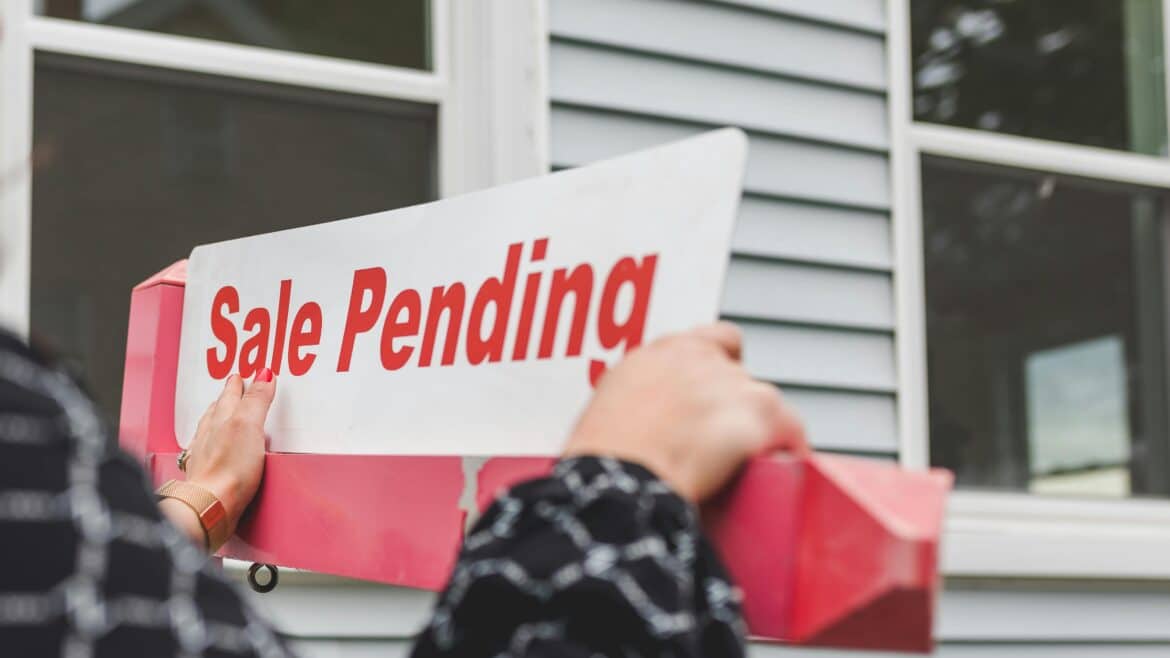
Sale Pending sign in front of a house with grey siding.

What Does “Affordable” Really Mean When Buying a Home?

What Does “Affordable” Really Mean When Buying a Home? 4469 2979 Your Loan Officer for Life

Key Takeaways

  • Affordability is More Than a Monthly Payment
    Online estimates often leave out key costs like property taxes, insurance, HOA dues, and PMI. It’s important to look beyond the number on a home listing and calculate your real monthly budget.

  • Loan Programs Can Help You Buy with Less Out-of-Pocket
    You don’t need 20% down to buy a home. With options like FHA, VA, and down payment assistance programs, there are ways to keep upfront costs manageable—especially for first-time buyers.

  • Know Your Numbers and What You’re Comfortable With
    Lenders use guidelines like the 28/36 rule to help define affordability, but the final decision should be based on your personal budget, goals, and lifestyle after you move in. Working with a lender can help you find the right fit.

If you’ve ever been on Zillow and found a house you love, you’ve probably noticed that estimated mortgage payment box under the listing price. But here’s the thing—that number doesn’t tell the whole story.

With home prices and mortgage rates both higher than we’ve seen in years, figuring out how much house you can actually afford takes more than just looking at a monthly payment estimate online. Whether you’re buying your first home or planning a move, here’s how to evaluate affordability the right way—and how a loan expert can help you get the best terms for your situation.

Look Beyond the Monthly Mortgage Payment

When you see a monthly payment listed on a home search site, that number typically includes:

  1. Principal & Interest (based on current average rates)
  2. Maybe property taxes and insurance (though often under-estimated)
  3. Rarely any HOA fees or PMI (Private Mortgage Insurance)

What’s often missing:

  1. Actual local property taxes (which vary county by county)
  2. Current homeowners insurance premiums
  3. PMI, which applies if you’re putting less than 20% down
  4. HOA dues, which can add hundreds a month depending on the neighborhood


💡 Quick tip: Always assume the monthly estimate online is a rough guess. The actual cost may be higher or lower depending on your loan type, credit score, and local taxes.

Understand Your Real Budget

Before falling in love with a home, it helps to understand what price range you can comfortably shop in. A good rule of thumb is to stay within these ranges:

  1. 28% of your gross income = your housing budget (mortgage, taxes, insurance, HOA)
  2. 36% of your gross income = your total debts (housing + credit cards, car payments, loans)

💬 Example:

If you earn $7,000/month before taxes:

  1. Try to keep total housing costs under $1,960
  2. Keep total debts (including housing) under $2,520

Factor In Your Down Payment & Closing Costs

Most people don’t have 20% down saved, and that’s okay! There are plenty of loan programs designed to help buyers purchase with less money out of pocket:

  1. Conventional loans – often as low as 3–5% down for qualified buyers
  2. FHA loans – 3.5% down with more flexibility on credit
  3. VA loans – 0% down for eligible military service members and veterans
  4. Down payment assistance programs – available in many states for first-time buyers

🏡 The smaller your down payment, the more likely you’ll pay PMI. But with the right loan setup, it’s possible to reduce or remove PMI later.

And don’t forget closing costs, which usually run about 2–5% of the home price. Partnering with a good mortgage lender will help you navigate these options and educate you on the best loan option for you.

Know What Affects Your Interest Rate

Your interest rate isn’t just based on the market—some of the factors that go into getting your best mortgage rate include:

  1. Credit score – higher = better rate
  2. Loan amount and term – 15-year vs 30-year loans have different rates
  3. Points – you may be able to pay a little upfront to “buy down” your rate and save long-term
  4. Loan type – Conventional, FHA, VA, or even jumbo loans all price differently

Working with the right lender can make a big difference at this point because a mortgage expert can work to meet your exact financial goals and put together the best loan options around your down payment, monthly payment, and mortgage rate needs.

Calculate Your Total Monthly Payment

Here’s what your real monthly mortgage payment might include:

  1. Principal
  2. Interest
  3. Property taxes
  4. Homeowners Insurance
  5. PMI (if required)
  6. HOA fees (if applicable)

You can get a quick and easy estimate of how much home you can afford using our online Mortgage Calculator or call one of our licensed mortgage experts to run your numbers based on your actual credit, debts, income, and goals. They’ll show you a detailed breakdown, including what your upfront costs and monthly payment will really look like.

Think About Life After You Move In

Affordability isn’t just about qualifying for a loan. It’s also about feeling comfortable month to month after the move. Ask yourself:

  1. Will you have a cushion for maintenance, repairs, or upgrades?
  2. Are you still able to save for emergencies or retirement?
  3. Would you feel better with a lower monthly payment, even if it means buying a smaller home or in a different area?

The goal isn’t just to get approved—it’s to feel good about your new home and your financial life after the move.

Final Thoughts: What Can You Really Afford?

If you’re trying to figure out what you can afford in this market, don’t rely on home search estimates alone. Additional costs of homeownership like mortgage insurance, taxes, cost-of-living differences in that area, and home maintenance are rarely included in online calculators.

Homeownership is an investment in your future that makes more financial sense than renting—especially since rental prices keep rising. Once you know your real numbers and talk to a lender about loan programs that can help with your down payment, you’ll be able to house-hunt with confidence, and you may be surprised to find that your first home or next home is closer than you think.

While there are credit factors that help affordability, you don’t have to have a perfect credit score, a 20% down payment saved, or wait for lower interest rates to get approved for a home. A great lender can help you look at the full picture and find loan programs that make a home affordable for you right now.

Jerome Powell addressing the Press
2025 Mortgage Trends: Why Fed Rate Cuts Aren’t Helping Homebuyers
Read more...
Blond woman sitting in an arm chair by big open windows in a white room holding a mug up to her face.
Heating Up Your Home: Lower Your Winter Power Bill
Read more...

Smart Ways to Save Money on a Tight Budget

Smart Ways to Save Money on a Tight Budget 1600 1067 Your Loan Officer for Life

Key Takeaways

  • Cut Unnecessary Expenses: Evaluate your current spending and eliminate or reduce non-essential costs like unused subscriptions, dining out, and impulse purchases. Small changes in these areas can lead to significant savings over time.
  • Negotiate your Bills: Shopping around for better prices on insurance and negotiating better rates on your utilities can add up to significant yearly savings. That’s why we like to shop around for better deals every year.
  • Pay yourself First: If you’re struggling to put money back into savings after all your monthly expenses, pay your savings account before you pay anything else. Determine how much you want to put into your savings account each month – even diverting $50-$100 of your paycheck into savings will add up over time.

If it feels harder to cover your bills right now, you’re not alone. Many Americans are finding that their dollar isn’t stretching as far because inflation is still high (especially at the grocery store and fuel pump), wages aren’t keeping up, and rising costs have led to a lot more debt (credit cards, student loans, etc…).

Here are some of the best ways to save money on a tight budget when everything keeps getting more expensive:

1) Cut Unnecessary Expenses

Do you really need that gym membership you rarely use, or can you exercise at home? How about those subscription services you forgot about? Even small savings can add up over time, especially recurring monthly expenses:

  • Work out at home, or take up walking or running.
  • Cancel unused subscriptions and memberships.
  • Reduce dining out and cook at home more often.
  • Limit impulse purchases by sticking to a shopping list.
  • Opt for generic brands over name brands.

2) Lower Your Utility Bills

Utility bills can take a significant chunk out of your monthly budget. Fortunately, there are many ways to reduce these costs. Simple changes can lead to substantial savings:

  • Turn off lights and unplug appliances when not in use.
  • Use energy-efficient light bulbs.
  • Set your thermostat a few degrees lower in winter and higher in summer.
  • Take shorter showers and fix leaky faucets.
  • Run full loads of laundry and dishes to save water and electricity.

3) Shop Smart

Grocery shopping is a must, but it doesn’t have to break the bank. By being strategic, you can save a lot on your food bill:

  • Plan your meals and make a shopping list to avoid impulse buys.
  • Use coupons and take advantage of sales and discounts.
  • Buy in bulk for items you use frequently.
  • Compare prices at different stores and buy store brands.
  • Avoid shopping when you’re hungry to reduce impulse purchases.

4) Reduce Debt

Paying off debt can free up money to cover bills or add to your savings. Focus on high-interest debt first, such as credit card debt, to reduce the amount of interest you pay over time. Consider refinancing options with cash out to pay off debt accruing high interest.

5) Find Free or Low-Cost Entertainment

Dining out, family activities, and travel can eat up a ton of your funds, but entertainment doesn’t have to be expensive. Look for free or low-cost ways to have fun:

  • Visit local parks, museums, and community events.
  • Borrow books, movies, and games from the library.
  • Enjoy free outdoor activities like hiking, biking, or picnicking.
  • Host a potluck dinner with friends instead of dining out.
  • Take advantage of free trials for streaming services.

6) Embrace DIY

Instead of paying for services, consider doing it yourself. This can save money, improve your quality of life, and give you a sense of accomplishment:

  • Cook meals at home instead of ordering takeout.
  • Learn basic home repairs and maintenance.
  • Grow your own herbs, fruits, and vegetables.
  • Bake your bread fresh at home.

7) Pay Yourself First

Paying your savings account first is one of the most effective ways to grow your savings even when you have big bills and a tight budget. Set up automatic transfers from your checking to savings or set up a portion of your paycheck to deposit straight into your savings account. Even small amounts add up over time.

8) Negotiate Bills and Shop Plans

Don’t be afraid to negotiate for better rates on bills and shop for better deals on insurance and phone services every year. Contact your service providers and ask for discounts or promotions. This can apply to your internet, cable, insurance, and even credit card interest rates. Many companies are willing to work with loyal customers to keep their business.

Wrapping Up

Saving money in times when your income stays the same but everyday expenses keep climbing requires discipline and creativity, but it’s entirely achievable with the right approach. By making small adjustments to your spending habits and finding ways to reduce costs, you can build a financial cushion and work towards your financial goals.

Dog standing in the middle of a sunny neighborhood street lined with sidewalks, trees with orange and gold fall leaves, and houses on either side. Cars are parked on either side of the street.
Finding Your Perfect Neighborhood
Read more...
Essential Spring Home Maintenance Tips
Read more...