
Down Payment Assistance

6 Ways to Buy a Home With Little-to-No Money Out of Pocket

6 Ways to Buy a Home With Little-to-No Money Out of Pocket 6240 4160 Your Loan Officer for Life

Key Takeaways

  • Which loan programs allow $0 down, and who qualifies 
  • How down payment gifts and assistance programs actually work 
  • When it makes sense to ask a seller to cover closing costs 
  • The tradeoffs of a low down payment you should know before you commit 


Not having a large down payment saved up is one of the most common reasons people assume homeownership is out of reach. It usually isn’t. Between zero-down loan programs, down payment gifts, assistance funds, and seller-paid closing costs, there are several legitimate paths to closing on a home without draining your savings account first. 

Here are six ways to reduce what you need out of pocket, plus what to weigh before choosing one. 

See If You Qualify for a VA Loan 

Active-duty service members, veterans, and eligible surviving spouses can access one of the strongest homebuying benefits available: a VA loan with no minimum down payment requirement. Because the loan is backed by the Department of Veterans Affairs, lenders can extend financing without requiring a down payment or ongoing private mortgage insurance — instead, most VA loans include a one-time VA Funding Fee, and some borrowers are exempt from that as well. 

For eligible buyers, this is typically the lowest out-of-pocket path to homeownership available. 

Consider an FHA Loan 

FHA loans allow a down payment as low as 3.5%, and that 3.5% doesn’t have to come entirely from your own savings — it can be covered by a financial gift from a family member or contribution from a qualified nonprofit or government program. Sellers can also contribute up to 6% of the sale price toward closing costs. 

The tradeoff: FHA loans require mortgage insurance regardless of your down payment size, so it’s worth weighing that ongoing cost against the lower barrier to entry.

 Look Into a Homebuyer Assistance Program 

Down payment assistance (DPA) programs exist at the state, local, and nonprofit level, and many extend beyond first-time buyers to previous homeowners as well. These typically come as grants, forgivable loans, or deferred second loans — funding structures where you’re not simply taking on more debt to cover your down payment. Availability and eligibility vary significantly by location, so this is worth a direct conversation with your loan officer rather than assuming you don’t qualify. If this is your first purchase, our first-time buyer resources are a good starting point, and it’s also worth reading whether a 20% down payment is actually necessary before ruling anything out. 

Don’t Overlook the USDA Loan 

USDA loans — sometimes called rural development loans — offer a zero down payment option for eligible properties in designated rural and, in many cases, surprisingly suburban areas. Don’t assume your target area doesn’t qualify without checking; USDA eligibility maps cover more ground than most buyers expect. Mortgage insurance is required, and both loan limits and income restrictions vary by area, so property and income eligibility should be confirmed early in your search rather than after you’ve found a home.

Receive a Down Payment Gift

If a family member is able to gift you funds toward your down payment, most loan programs allow it — but the paperwork matters. Lenders require a documented paper trail showing who gifted the funds, how and when the money was transferred, and written confirmation that repayment isn’t expected. The amount you’re allowed to accept as a gift varies by loan program, so confirm the specifics with your loan officer before the funds move. For more on how gift funds interact with your overall closing costs, see Can You Reduce Your Closing Costs, and Should You? 

Have the Seller Pay Closing Costs 

Seller-paid closing costs, also called seller concessions, depend heavily on your local market conditions. In a buyer’s market, where inventory exceeds demand, sellers are often willing to negotiate on closing cost contributions to keep a deal moving. In a competitive seller’s market, that same request may not land — but it’s still worth asking, since many sellers value a fast, certain close over squeezing out every dollar. How much a seller can contribute is also capped by your loan program, so this is another detail your loan officer can confirm before you write an offer. 

What to Weigh Before Choosing a Low Down Payment Option 

Reducing your out-of-pocket cost at closing is genuinely useful, but it comes with tradeoffs worth understanding upfront: 

  • Mortgage insurance may be required depending on the loan program and down payment size, which adds to your monthly payment. 
  • Less equity at the start means less “cushion” if you need to sell within the first few years, and potentially a somewhat higher interest rate since the lender is taking on more risk. 
  • Slower equity build means it may take longer to reach the point where selling nets a meaningful profit — a bigger consideration if you expect to move again soon than if you’re planning to stay long-term. 

If putting a full 20% down would leave you without a financial cushion for emergencies, a lower down payment option is often the smarter move — not a compromise. The right call depends on your full financial picture, which is exactly what a conversation with a loan officer is for. 

The Bottom Line 

A thin savings account doesn’t have to mean a delayed home purchase. Between VA and USDA’s zero-down options, FHA’s gift-fund flexibility, down payment assistance programs, and seller concessions, most buyers have more than one realistic path to closing — the right one just depends on your eligibility, your market, and your long-term plans. 

Milend has been helping buyers navigate exactly this decision since 1995. As a family-owned, Atlanta-based lender, we underwrite across FHA, VA, USDA, and Conventional programs, so we’re matching you to the loan built for your actual financial picture — not the one that’s easiest for us to originate. 

Questions I get asked?

Can I really buy a home with no money down?

Yes, in certain situations. VA loans and USDA loans are two programs that may allow qualifying borrowers to purchase with no down payment. VA loans are available to eligible active-duty service members, veterans, and qualifying family members. USDA loans are available in designated rural and many suburban areas and carry income eligibility requirements. Whether either program fits your situation is worth a direct conversation with a Milend loan officer. 

What is the minimum down payment for a first-time homebuyer?

It depends on the loan program. FHA loans typically require as little as 3.5% down. Conventional loans may be available with as little as 3% down for qualifying borrowers. VA and USDA loans may allow zero down for those who meet eligibility requirements, and down payment assistance programs at the state or local level may reduce what you need to bring to closing further still. 

How does a VA loan work with no down payment?

The VA loan program is backed by the Department of Veterans Affairs and is one of the most valuable homebuying benefits available to eligible servicemembers, veterans, and qualifying surviving spouses. Because the VA guarantees a portion of the loan, lenders can extend financing without requiring a down payment. Instead of ongoing mortgage insurance, most VA loans include a one-time VA Funding Fee, though some borrowers are exempt.

Can a family member gift me money for a down payment?

In most cases, yes. Loan programs generally allow gift funds from immediate family members toward a down payment, but documentation requirements vary by loan type — typically including a signed gift letter confirming the amount, the source, and that repayment isn’t expected. Your Milend loan officer can walk you through the exact requirements for your loan program. 

What is a homebuyer assistance program and do I qualify?

Homebuyer assistance programs are offered through state housing finance agencies, local governments, and nonprofit organizations to help with down payments and closing costs. Eligibility and available funding vary significantly by location, and while many programs target first-time buyers within certain income limits, some are open to previous homeowners as well. 
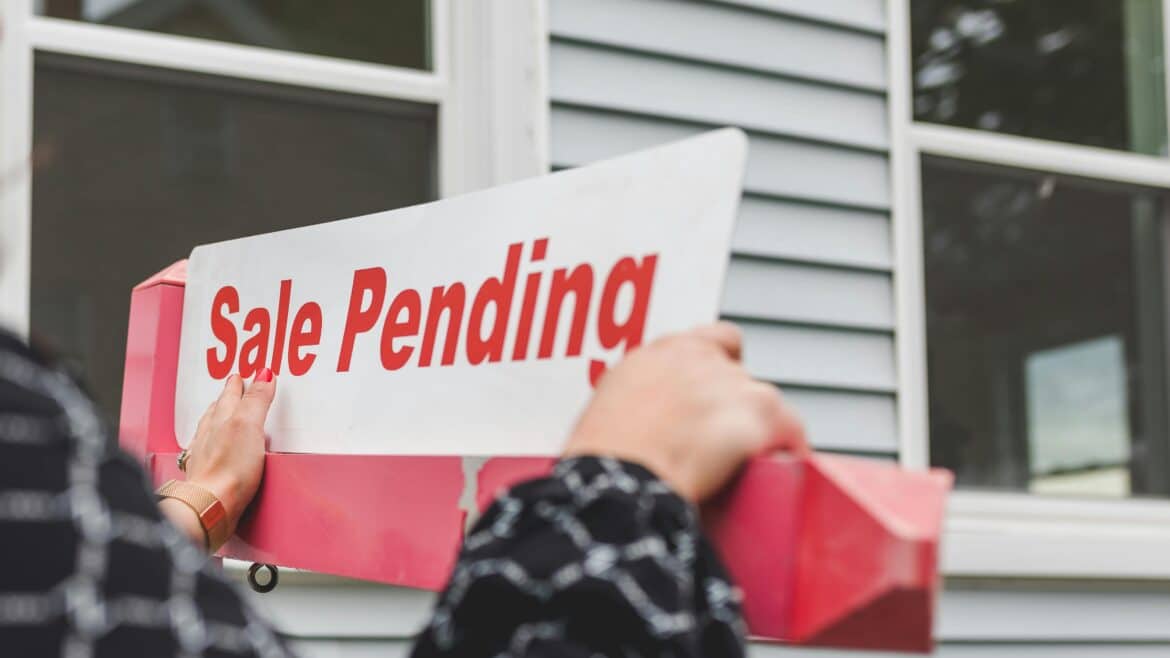
Sale Pending sign in front of a house with grey siding.

What Does “Affordable” Really Mean When Buying a Home?

What Does “Affordable” Really Mean When Buying a Home? 4469 2979 Your Loan Officer for Life

Key Takeaways

  • Affordability is More Than a Monthly Payment
    Online estimates often leave out key costs like property taxes, insurance, HOA dues, and PMI. It’s important to look beyond the number on a home listing and calculate your real monthly budget.

  • Loan Programs Can Help You Buy with Less Out-of-Pocket
    You don’t need 20% down to buy a home. With options like FHA, VA, and down payment assistance programs, there are ways to keep upfront costs manageable—especially for first-time buyers.

  • Know Your Numbers and What You’re Comfortable With
    Lenders use guidelines like the 28/36 rule to help define affordability, but the final decision should be based on your personal budget, goals, and lifestyle after you move in. Working with a lender can help you find the right fit.

If you’ve ever been on Zillow and found a house you love, you’ve probably noticed that estimated mortgage payment box under the listing price. But here’s the thing—that number doesn’t tell the whole story.

With home prices and mortgage rates both higher than we’ve seen in years, figuring out how much house you can actually afford takes more than just looking at a monthly payment estimate online. Whether you’re buying your first home or planning a move, here’s how to evaluate affordability the right way—and how a loan expert can help you get the best terms for your situation.

Look Beyond the Monthly Mortgage Payment

When you see a monthly payment listed on a home search site, that number typically includes:

  1. Principal & Interest (based on current average rates)
  2. Maybe property taxes and insurance (though often under-estimated)
  3. Rarely any HOA fees or PMI (Private Mortgage Insurance)

What’s often missing:

  1. Actual local property taxes (which vary county by county)
  2. Current homeowners insurance premiums
  3. PMI, which applies if you’re putting less than 20% down
  4. HOA dues, which can add hundreds a month depending on the neighborhood


đź’ˇ Quick tip: Always assume the monthly estimate online is a rough guess. The actual cost may be higher or lower depending on your loan type, credit score, and local taxes.

Understand Your Real Budget

Before falling in love with a home, it helps to understand what price range you can comfortably shop in. A good rule of thumb is to stay within these ranges:

  1. 28% of your gross income = your housing budget (mortgage, taxes, insurance, HOA)
  2. 36% of your gross income = your total debts (housing + credit cards, car payments, loans)

đź’¬ Example:

If you earn $7,000/month before taxes:

  1. Try to keep total housing costs under $1,960
  2. Keep total debts (including housing) under $2,520

Factor In Your Down Payment & Closing Costs

Most people don’t have 20% down saved, and that’s okay! There are plenty of loan programs designed to help buyers purchase with less money out of pocket:

  1. Conventional loans – often as low as 3–5% down for qualified buyers
  2. FHA loans – 3.5% down with more flexibility on credit
  3. VA loans – 0% down for eligible military service members and veterans
  4. Down payment assistance programs – available in many states for first-time buyers

🏡 The smaller your down payment, the more likely you’ll pay PMI. But with the right loan setup, it’s possible to reduce or remove PMI later.

And don’t forget closing costs, which usually run about 2–5% of the home price. Partnering with a good mortgage lender will help you navigate these options and educate you on the best loan option for you.

Know What Affects Your Interest Rate

Your interest rate isn’t just based on the market—some of the factors that go into getting your best mortgage rate include:

  1. Credit score – higher = better rate
  2. Loan amount and term – 15-year vs 30-year loans have different rates
  3. Points – you may be able to pay a little upfront to “buy down” your rate and save long-term
  4. Loan type – Conventional, FHA, VA, or even jumbo loans all price differently

Working with the right lender can make a big difference at this point because a mortgage expert can work to meet your exact financial goals and put together the best loan options around your down payment, monthly payment, and mortgage rate needs.

Calculate Your Total Monthly Payment

Here’s what your real monthly mortgage payment might include:

  1. Principal
  2. Interest
  3. Property taxes
  4. Homeowners Insurance
  5. PMI (if required)
  6. HOA fees (if applicable)

You can get a quick and easy estimate of how much home you can afford using our online Mortgage Calculator or call one of our licensed mortgage experts to run your numbers based on your actual credit, debts, income, and goals. They’ll show you a detailed breakdown, including what your upfront costs and monthly payment will really look like.

Think About Life After You Move In

Affordability isn’t just about qualifying for a loan. It’s also about feeling comfortable month to month after the move. Ask yourself:

  1. Will you have a cushion for maintenance, repairs, or upgrades?
  2. Are you still able to save for emergencies or retirement?
  3. Would you feel better with a lower monthly payment, even if it means buying a smaller home or in a different area?

The goal isn’t just to get approved—it’s to feel good about your new home and your financial life after the move.

Final Thoughts: What Can You Really Afford?

If you’re trying to figure out what you can afford in this market, don’t rely on home search estimates alone. Additional costs of homeownership like mortgage insurance, taxes, cost-of-living differences in that area, and home maintenance are rarely included in online calculators.

Homeownership is an investment in your future that makes more financial sense than renting—especially since rental prices keep rising. Once you know your real numbers and talk to a lender about loan programs that can help with your down payment, you’ll be able to house-hunt with confidence, and you may be surprised to find that your first home or next home is closer than you think.

While there are credit factors that help affordability, you don’t have to have a perfect credit score, a 20% down payment saved, or wait for lower interest rates to get approved for a home. A great lender can help you look at the full picture and find loan programs that make a home affordable for you right now.

Jerome Powell addressing the Press
2025 Mortgage Trends: Why Fed Rate Cuts Aren’t Helping Homebuyers
Read more...
Blond woman sitting in an arm chair by big open windows in a white room holding a mug up to her face.
Heating Up Your Home: Lower Your Winter Power Bill
Read more...
Photograph of a brick red house with white window trim against a mountain cliff with a potted fern and trees along the driveway.

Creative Financing Options for Home Buyers

Creative Financing Options for Home Buyers 3456 2592 Your Loan Officer for Life

Key Takeaways

  • Explore Beyond Traditional Mortgages: Discover a range of innovative financing options, including Adjustable-Rate Mortgages (ARMs), FHA loans for first-time buyers, VA loans for veterans, and unique strategies like rent-to-own agreements and seller financing. These options offer flexibility and can make homeownership more accessible.
  • Tailored Solutions for Every Buyer: Whether you’re a first-time homebuyer, a veteran, or someone with a non-traditional income, there’s a financing solution to meet your needs, including easy financing for self-employed individuals, non-warrantable condos, and properties requiring jumbo loans.
  • Financial Preparedness is Key: The path to homeownership starts with financial readiness. Understanding the importance of saving for a down payment, improving your credit score, and budgeting for the ongoing costs of owning a home (like property taxes and maintenance) is crucial.

Owning a home is one of the biggest financial milestones in our lives, and it’s the first real step toward building real prosperity into your financial picture. It’s a place where memories are made, families grow, and personal space is cherished. When interest rates are high, home prices balloon, and everything from groceries to diapers to cars is more expensive than ever before…getting onto or moving up the property ladder can feel like a pipe dream.

The great news in times like these is that traditional mortgage options are not the only path to owning a home. High cost of homes and cost of living are driving eager home buyers, sellers, and home owners looking to refinance to explore creative financing options in droves. So, I’m here to break down some more off-the-wall options to put your home goals back into reach and then help you weigh the pros and cons.

A sheet of paper title Goals for the Year with blank boxes to fill in your goals laid on a grey tablecloth


Understanding Your Needs and Goals

The spring of 2024 is shaping up to be a period of adjustment and opportunity in the real estate market. With the backdrop of the previous year’s trends, we’re looking at a landscape that’s both familiar and full of new potential pathways for buyers and sellers alike.

Traditional Mortgages and Beyond

While traditional 15-year and 30-year mortgages are familiar to most, there are alternatives that offer flexibility and opportunities to save on interest, reduce monthly payments, or both. Let’s explore some creative options:

Adjustable-Rate Mortgages (ARMs): ARMs can be a viable option for those expecting to move or refinance before the interest rate adjusts. Initially, ARMs offer lower interest rates compared to fixed-rate mortgages, potentially saving you money in the short term.

If you’re a blossoming professional looking to buy your first property, need flexibility to travel for work, and expect your income to grow, this can be a good fit and a great entry point into the real estate market.

FHA Loans: Ideal for first-time homebuyers with smaller down payments and less-than-perfect credit scores. FHA helps buyers by insuring the loan so the lenders can offer lower down payments, competitive interest rates, and low closing costs.

These loans are designed to help out first-time homebuyers. The flexibility of having a lower down payment and a shorter or more volatile credit history makes this a great fit for young couples, young families, and single professionals looking to get into their first home.

VA Loans: For veterans, active-duty service members, and some surviving spouses, VA loans provide a path to homeownership with no down payment, no private mortgage insurance (PMI), and competitive rates.

This program is an amazing benefit for veterans and their families, and many veterans that we’ve worked with have completely revolutionized their financial future by getting into a home, or refinancing their existing mortgage into a VA loan.

Creative Financing Techniques

Beyond traditional and government loans, there are several creative strategies to consider:

Rent-to-Own Agreements: This arrangement allows you to rent a home with the option to buy it later. A portion of your rent payments goes toward the purchase price. This can be a great way to build equity and lock in a purchase price while you save for a down payment.

Seller Financing: In some cases, sellers may agree to finance the purchase themselves. This can eliminate traditional lender fees and offer more flexible terms. It’s particularly useful in markets where buyers and sellers are looking for innovative ways to close deals.

Generally, this option has more risk and less reward that many more stable financing options, but if you want to learn more about seller financed properties, check out my in-depth article:

Guide to Owner Financing for Home Buyers

Lease with Option to Purchase: Similar to rent-to-own, this option involves leasing a property with the right to purchase it at a predetermined price before the lease expires. This can be an excellent way to “try before you buy.”

Assumable Mortgages: Assuming the seller’s mortgage can be an option if the current interest rates are higher than the rate of the existing mortgage. This involves taking over the seller’s remaining mortgage balance and terms, potentially saving on closing costs and interest.

Photo of modern architectural style condos, perfect for investors or Airbnb owners looking to add a new rental, with palm trees against a clear blue sky with clouds.


Specialized Lending Programs: A Closer Look

Milend offers specialized lending that we find makes home financing more accessible than most other lenders for self-employed borrowers, non-warrantable condos, and jumbo loans for higher-value properties.

If you have struggled to get financed on an unconventional property type, or with documenting your income, we have some of the most flexible financing options for your needs.

The Importance of Financial Preparedness

Regardless of the financing option you choose, financial preparedness is key. This includes saving for a down payment, improving your credit score, and understanding the full scope of homeownership costs, including property taxes, insurance, maintenance, and utilities.

Young couple, man and woman, pose for a photo in the park. Man is wearing a denim shirt and eyeglasses, hugging the woman from behind. She has shoulder-length brown hair and is wearing a cream sweater and brown tartan scarf.


Personal Success Stories: How Creative Financing Made Dreams Come True

We’ve had the privilege of helping many families navigate the path to homeownership through creative financing. One memorable story is that of a young couple eager to buy their first home but struggling with a limited budget and less-than-stellar credit. Through a combination of an FHA loan, help paying down credit card debt, and in-depth guidance from their Milend loan consultant, they were able to improve their financial standing and purchase a home that fit their needs and budget. Their journey from renters to proud homeowners is a testament to the power of perseverance and the right financing strategy.

Your Next Home is Within Reach

Homeownership is within reach, even if traditional financing options don’t seem like a perfect fit. By exploring creative financing options and preparing financially, you can find a path that aligns with your needs, goals, and financial situation. At Milend, we’re committed to helping you explore all your options and guide you through the process, ensuring you make informed decisions every step of the way.

If you’re ready to take the next step toward homeownership, we’re here to help. Post in the comments or reach out through our Contact page!

Sign up for our newsletter to stay updated on the latest financing tips, success stories, and personalized advice. Let’s make your dream home a reality together.

Let’s Grow Together

As we navigate the spring market and beyond, let’s remember the values that bind us: trust, commitment, personal growth, and the importance of home. If you’re pondering your next move or seeking guidance in the ever-changing real estate landscape, reach out. Together, we can explore your options, prepare for the future, and turn the dream of homeownership into reality.

Stay tuned for more insights, and don’t hesitate to join our community for updates, tips, and stories that celebrate our journeys home, one step at a time.

Understanding Closing Costs: A Homebuyer’s Guide
Read more...
Finding Your Perfect Mortgage Match: A Guide to Making the Right Choice
Read more...